The Future of AI in Product Development
Explore how artificial intelligence is transforming the way we design, build, and deliver products.
Sarah Johnson
Author
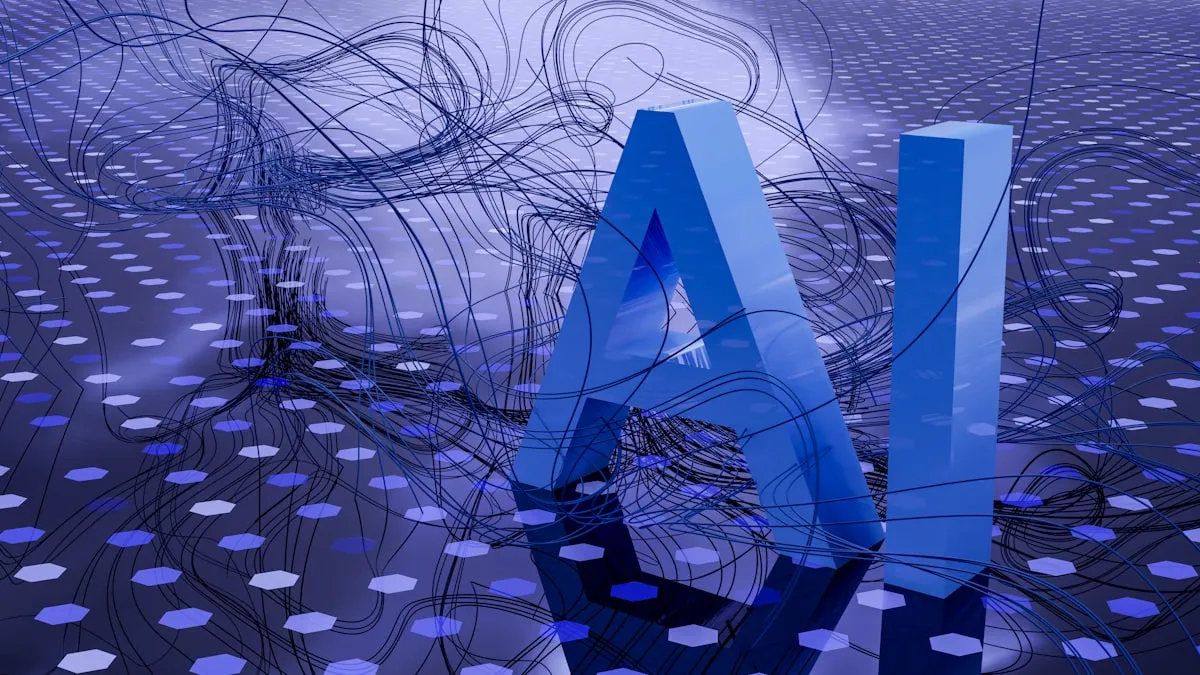
The Future of AI in Product Development
Artificial intelligence is revolutionizing nearly every industry, and product development is no exception. From ideation to deployment and beyond, AI is transforming how we design, build, and deliver products. In this article, we'll explore the current state of AI in product development and what the future holds.
AI in Ideation and Research
The product development process begins with understanding user needs and identifying opportunities. AI is making this phase more efficient and insightful than ever before.
User Research Automation
Traditional user research involves conducting interviews, surveys, and analyzing feedback—all time-consuming processes. AI-powered tools can now:
- •Analyze customer reviews at scale: Use natural language processing (NLP) to extract insights from thousands of reviews across multiple platforms
- •Identify emerging trends: Machine learning models can detect patterns in user behavior and market data that humans might miss
- •Generate personas automatically: Based on real user data, AI can create detailed user personas that inform design decisions
Tools leading the way:
- •ChatGPT/Claude: Can synthesize research findings and generate initial ideas
- •MonkeyLearn: Text analysis for customer feedback
- •Typeform with AI: Automated survey analysis
Idea Generation
AI is also helping teams generate and evaluate ideas more effectively:
- •AI brainstorming tools: Tools like MidJourney for visual ideation or ChatGPT for concept generation
- •Market opportunity analysis: AI can assess market size, competition, and potential demand for new products
- •Feasibility assessment: Machine learning models can predict development time, cost, and technical challenges
AI in Design
Design is where AI is having some of its most visible impacts. From automating repetitive tasks to generating creative solutions, AI is becoming an indispensable design tool.
Generative Design
Generative design uses AI to explore thousands of design possibilities based on constraints defined by the designer. This approach is particularly powerful in:
- •Product design: Generating optimal shapes for strength, weight, and manufacturing constraints
- •Architecture: Creating building designs that maximize natural light or minimize energy consumption
- •UX design: Generating multiple layout options for interfaces
How it works:
- •Designer defines constraints (materials, cost, performance requirements)
- •AI generates hundreds or thousands of potential solutions
- •Designer evaluates and refines the best options
Tools: Autodesk Generative Design, Grasshopper with AI plugins
UI/UX Assistance
AI is transforming how designers create user interfaces:
- •Code generation: Tools like Figma's Dev Mode with AI can generate production-ready code from designs
- •Accessibility checking: AI can automatically detect accessibility issues like contrast ratios or missing alt text
- •User testing analysis: AI can analyze session recordings and heatmaps to identify usability issues
Example: Adobe Firefly can generate design assets based on text prompts, saving designers hours of work.
AI in Development
Developers are also benefiting from AI tools that automate repetitive tasks and provide intelligent assistance.
Code Generation
AI-powered code assistants are becoming mainstream:
- •GitHub Copilot: Suggests code completions based on context
- •Tabnine: AI assistant for multiple programming languages
- •Amazon CodeWhisperer: Generates code from natural language descriptions
Benefits:
- •Reduced coding time for repetitive tasks
- •Help with learning new languages or frameworks
- •Improved code quality through suggested best practices
Testing and Quality Assurance
AI is transforming software testing:
- •Automated test case generation: AI can generate test cases based on code analysis
- •Bug detection: Machine learning models can identify potential bugs before they reach production
- •Performance testing: AI can simulate realistic user loads and identify bottlenecks
Tools: Applitools (visual testing), Selenium with AI extensions, Testim
Debugging Assistance
Debugging is often one of the most time-consuming parts of development. AI tools can:
- •Analyze error logs to identify patterns
- •Suggest potential fixes based on similar issues in code repositories
- •Automatically fix certain types of bugs
AI in Product Management
Product managers are using AI to make data-driven decisions and streamline their workflows.
Demand Forecasting
AI can predict product demand based on historical data, market trends, and external factors:
- •Sales prediction: Machine learning models can forecast sales volume for new products
- •Inventory optimization: AI can optimize inventory levels to meet demand while minimizing costs
- •Pricing optimization: Dynamic pricing algorithms can adjust prices in real-time based on demand and competition
Roadmap Planning
AI is helping product managers prioritize features more effectively:
- •Impact-effort analysis: AI can analyze historical data to predict the impact of different features
- •User feedback analysis: NLP tools can categorize and prioritize user requests
- •Resource allocation: AI can suggest optimal resource allocation across different projects
Customer Success
AI-powered chatbots and virtual assistants are improving customer support:
- •24/7 support: Chatbots can handle routine inquiries at any time
- •Personalized recommendations: AI can suggest products or features based on user behavior
- •Sentiment analysis: AI can detect customer sentiment and escalate issues when needed
AI in Deployment and Operations
Even after launch, AI continues to play a crucial role in product success.
A/B Testing Optimization
AI can optimize A/B testing by:
- •Automatically selecting which variations to test
- •Predicting which variation will perform best
- •Stopping tests early when a winner is clear
Performance Monitoring
AI-powered monitoring tools can:
- •Detect anomalies in application performance
- •Predict potential failures before they occur
- •Automatically scale resources based on demand
Continuous Improvement
AI enables products to learn and adapt over time:
- •Personalization: AI can adapt the product experience for individual users
- •Feature flags: AI can roll out new features gradually and roll them back if issues arise
- •User segmentation: AI can identify different user segments and tailor experiences accordingly
Ethical Considerations
As AI becomes more integrated into product development, it's important to consider the ethical implications:
Bias and Fairness
AI systems can inherit biases from their training data, leading to unfair or discriminatory outcomes. Product teams must:
- •Audit AI systems for bias
- •Use diverse training data
- •Implement fairness constraints
Transparency
Users deserve to know when AI is making decisions that affect them. Product teams should:
- •Be transparent about AI usage
- •Provide explanations for AI-driven decisions
- •Allow users to opt out when appropriate
Privacy
AI systems often require large amounts of data. Product teams must:
- •Collect only necessary data
- •Anonymize data when possible
- •Follow data protection regulations (GDPR, CCPA, etc.)
The Future of AI in Product Development
Looking ahead, we can expect even more transformative changes:
AI-Powered Co-Creation
In the future, AI might not just assist humans but collaborate with them as equal partners:
- •AI co-designers: Systems that understand design intent and propose creative solutions
- •Adaptive products: Products that continuously learn from user interactions and evolve over time
- •Predictive product management: AI that can anticipate market shifts and suggest strategic pivots
Democratization of AI
As AI tools become more accessible, smaller teams will be able to leverage advanced AI capabilities:
- •No-code AI platforms: Tools that let non-technical users build AI-powered features
- •AI marketplaces: Pre-trained models that can be easily integrated into products
- •Open-source AI: More open-source models and tools will become available
Human-AI Collaboration
The most successful products of the future will likely be those that combine human creativity with AI's computational power:
- •Augmented intelligence: AI enhances human capabilities rather than replacing them
- •Human-in-the-loop systems: AI makes suggestions, but humans have final decision-making authority
- •Emotional AI: Systems that understand and respond to human emotions
Conclusion
AI is fundamentally changing how we approach product development. From ideation to deployment, AI tools are making teams more efficient, creative, and data-driven. However, it's important to remember that AI is a tool—not a replacement for human creativity, empathy, and judgment.
The future of product development will be defined by how well we integrate AI into our workflows while maintaining a human-centered approach. By embracing AI responsibly and ethically, we can create products that are more innovative, personalized, and impactful than ever before.
As product professionals, our role will evolve from being the sole creators to being the orchestrators of human-AI collaboration. The products that succeed in the future will be those that harness the best of both worlds—the creativity of humans and the computational power of AI.